
By Our Reporter.
The Kogi State Government has reaffirmed its commitment to a transparent, consumer-friendly electricity market as the Kogi State Electricity Regulatory Commission (KERC) moves to finalize a new Multi-Year Tariff Order (MYTO) for Kogi Electricity Distribution Limited (KEDL).
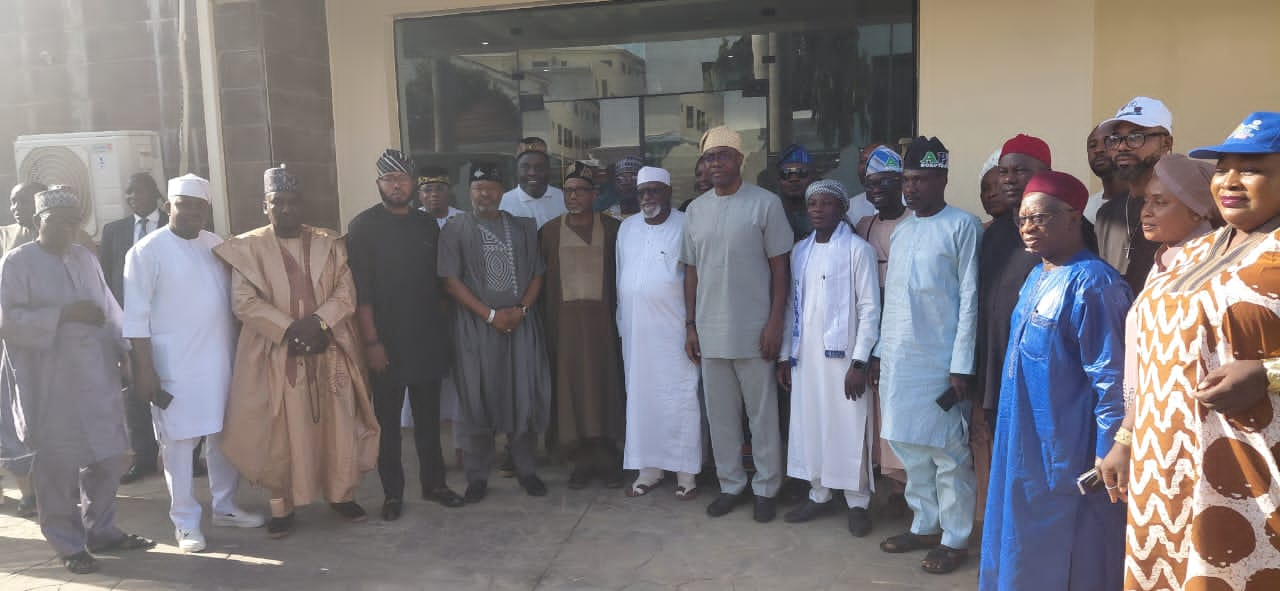
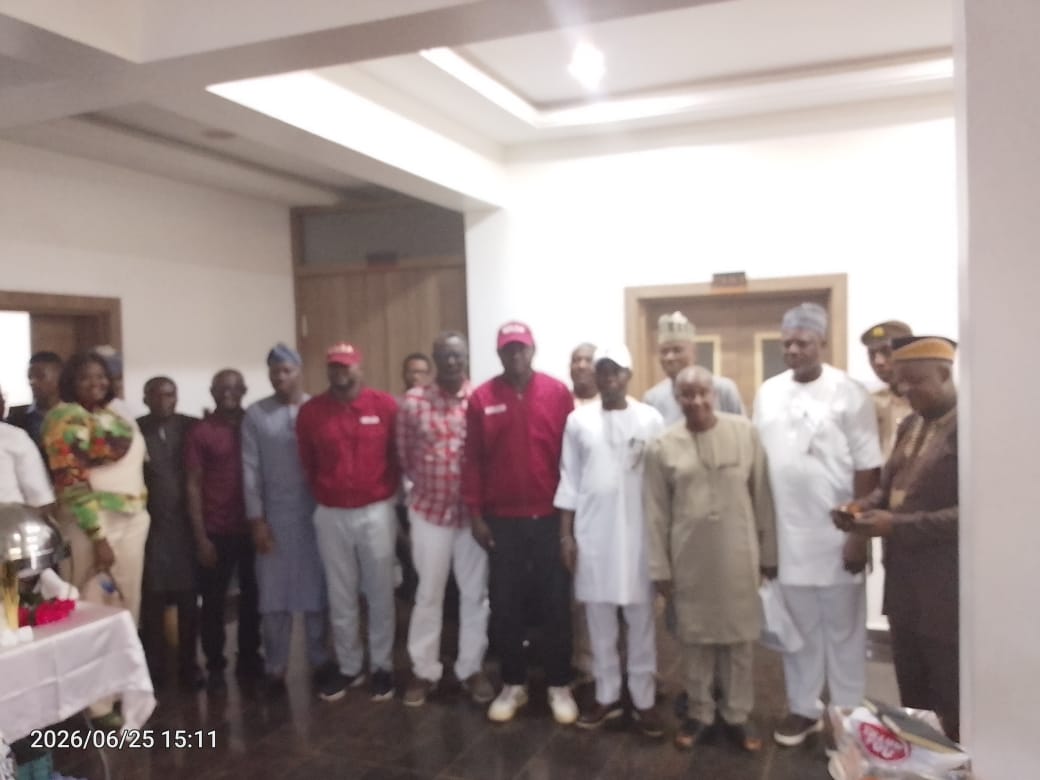
Speaking at the Issues Day Conference in Lokoja, Commissioner for Rural and Energy Development, Engineer Abdulmutalib Mohamed, commended KERC for building a viable electricity market while protecting consumer rights since its inception. He said the Commission’s core mandate is tariff modeling that balances a sustainable power sector with protection for consumers.
Engr. Abdulmutalib stressed that the MYTO process is key to maintaining investor confidence alongside affordability and improved service delivery for residents. He praised KERC’s stakeholder engagement and assured that the state government will back policies that guarantee reliable power and fair pricing across Kogi communities.
Economic Adviser to the Governor, Mallam Aliyu Salami, said power is central to the state’s economic development and that no meaningful industrial growth can occur without reliable electricity. Salami, who also heads the Kogi State Investment Promotion and PPP Agency, said presentations at the conference had deepened his understanding of the sector.

He noted that electricity market decentralization gives states control of generation and distribution to solve local challenges. “Every state has its electricity future in its hands. What we do here will determine how investment flows,” Salami said. He cautioned against monopoly, arguing that competition attracts capital. “Investors are looking for states with the most receptive regulatory environment,” he added.
Salami said Kogi is working to attract power investments linked to its industrialization drive, including a 4,000-hectare industrial park in Jakura with presidential approval. Despite the state’s solid minerals, coal, cement, and agricultural resources, he said reliable power is needed to convert them into jobs and stop the export of raw materials like rice paddy for processing elsewhere.

Earlier, KERC Chairman and CEO, Engineer Ibrahim S. Abduwaris, said the new tariff framework will reflect the realities of Kogi consumers and drive investment into the KEDL network. Marking over one year in office, he commended the state government for domesticating the 2023 Electricity Act, which he said created an enabling environment for KERC to develop a thriving, consumer-focused market.
On service delivery, Abduwaris noted improvements since KERC’s creation, adding that the Issues Day focused on KEDL’s recovery and better service for residents. “With service improvement, people will be happy to pay their bills and that will fund network infrastructure. If services don’t get to customers, people will not pay,” he said.

He added that the state electricity law has enabled new regulations, including a metering scheme to provide cheaper meters and reduce the estimated 70 percent of customers currently on estimated billing. Addressing metering, he said, will cut disputes and improve access for Kogi consumers.
Commissioner for Market Rates and Competition, Engineer Abdulsalam Yusuf, said the proposed MYTO for KEDL will be strictly tied to performance indicators to ensure consumers get value for money. He described the conference as productive and aimed at building consensus between customers and investors on an acceptable tariff.
“Tariff is a contract between consumer and operator, moderated by the regulator. We are tying every aspect to performance to ensure payment translates into visible service delivery,” Yusuf said. Key metrics include service reliability, feeder uptime, hours of supply, complaint response speed, and safety standards.

Yusuf explained that KERC will not allow KEDL to recover investments that do not improve service. “If you invest and deliver better service, you recover. If you don’t deliver, it means you have not invested. Where they underperform, we can claw back required investment,” he stated.
He said KERC is at step five of a nine-step tariff process involving stakeholder and expert consultation. Next steps include updating the tariff model with feedback, further policy coordination, and announcing the final tariff for implementation. He stressed that all regulatory procedures will be followed to avoid legal disputes.
The Group Managing Director of Abuja Electricity Distribution Company (AEDC), Engineer Chijoke Okwuokenye, expressed satisfaction with sector progress and pledged closer collaboration with state regulators on tariff and service delivery. In a goodwill message streamed to the conference, he thanked KERC for its leadership and said AEDC is satisfied with its performance but must track results against targets.
Engr. Okwuokenye highlighted Nigeria’s huge infrastructure gap and said future policy must meet the industry’s core requirements. He noted concerns around Gross Replacement Value and generation costs, urging that key indicators be factored into the tariff model quickly. He also called for consideration of investment gestation periods when setting KPIs.

He assured stakeholders of AEDC’s readiness to collaborate with KERC and other state agencies, insisting there should be no conflict in the market. While welcoming decentralization, he cautioned that safety and technical standards must be protected. “We want to be collaborative. Distribution will be determined jointly, through conversation,” he said, commending the Kogi State Governor for seeking investments and urging continued dialogue among stakeholders.
Husseini Abubakar-Editor Newsnowexpress.