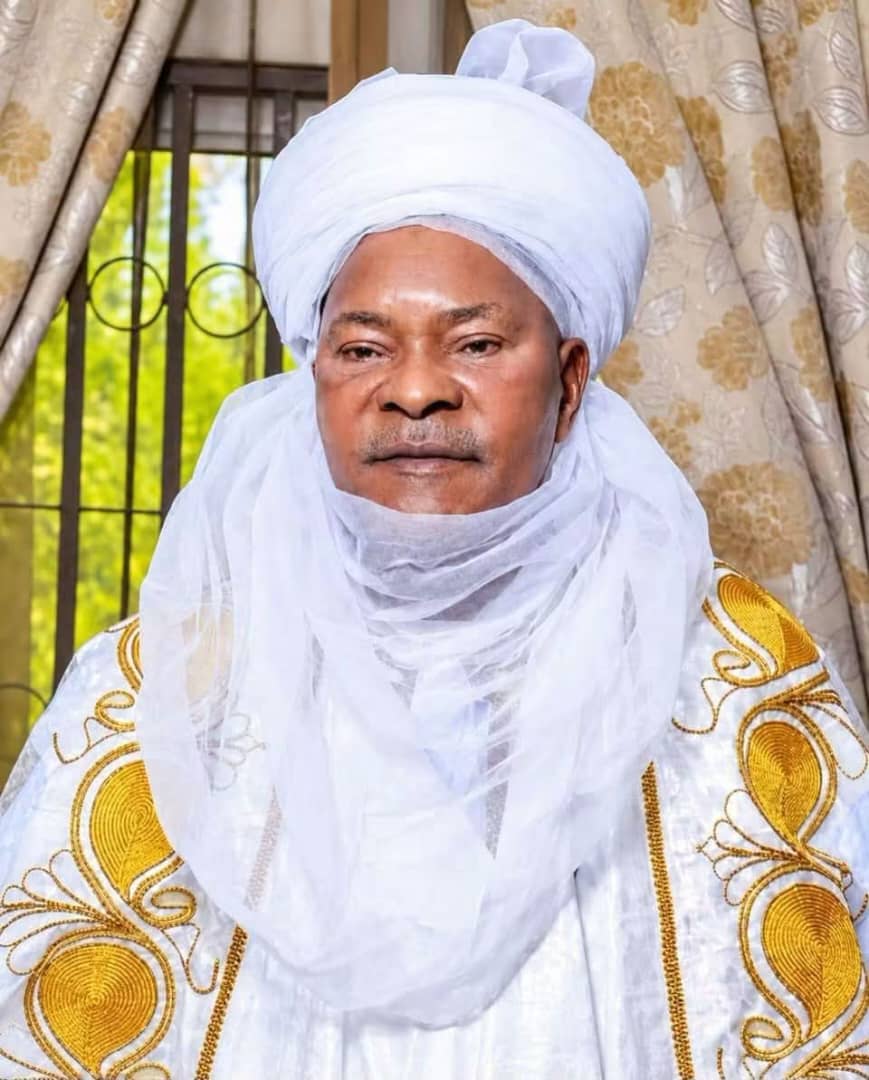

Remembering a Businessman, Statesman and Son of Omala Whose Political Journey Shaped a Defining Era in Kogi
By Dr. Mohammed A. Halilu
Public Health Specialist & National Spokesperson, Omala Indiaspora
There are moments when the passing of a public figure becomes more than a personal loss to a family. There are moments when an individual’s departure opens a chapter of collective remembrance, bringing back memories of an era, a political journey, a community’s pride and the story of a state itself.
For Kogi State, the death of Alhaji Ibrahim Idris, popularly known as Ibro, is one of those moments.
The former Governor of Kogi State died in the United Kingdom on Sunday, September 20, 2026, at the age of 77. News of his death has since drawn condolences from across Kogi State and Nigeria, with political leaders, public officials, associates and ordinary citizens reflecting on the life and public service of a man who occupied a significant place in the state’s democratic history.
For the people of Omala Local Government Area, however, the story carries an additional and deeply personal meaning.
Ibrahim Idris was not simply a former governor. He was a son of Omala who rose from his community to become the chief executive of Kogi State, leaving behind a political journey that would span almost nine years and become one of the most remarkable chapters in the state’s early democratic experience.
FROM BUSINESS TO GOVERNMENT HOUSE
Before politics, Ibrahim Idris had established himself in business, with interests spanning areas including construction, furniture manufacturing, hospitality and general commerce. Contemporary accounts of his life describe a businessman who built his enterprise before eventually entering partisan politics.
His transition from business into politics eventually brought him to the governorship of Kogi State.
In 2003, on the platform of the Peoples Democratic Party, Ibrahim Idris defeated the incumbent Governor, Prince Abubakar Audu, and was sworn in as Governor of Kogi State on May 29 of that year.
It was the beginning of a political chapter that would prove far more dramatic than an ordinary two-term governorship.
HE WON. THE COURT INTERVENED. HE RETURNED THROUGH ANOTHER ELECTION.
Perhaps no part of Ibrahim Idris’s political history is more unusual than the circumstances surrounding his return to office in 2008.
He was declared the winner of the 2007 Kogi governorship election. His victory, however, was challenged after Abubakar Audu of the ANPP contested his exclusion from the ballot. The election was subsequently nullified, and the Court of Appeal affirmed the decision in February 2008. Clarence Olafemi, then Speaker of the Kogi State House of Assembly, consequently became acting governor.
But the political story did not end there.
A fresh governorship election was conducted on March 29, 2008. Ibrahim Idris returned to the political battlefield and won the re-run election, subsequently continuing as Governor of Kogi State until January 2012.
That extraordinary sequence—winning an election, losing office following its annulment, returning to the electorate and winning again—helped make Ibrahim Idris’s governorship one of the most distinctive in Kogi’s democratic history.
His combined time in office amounted to almost nine years.
A LEGACY WRITTEN IN INFRASTRUCTURE, EDUCATION AND INSTITUTIONS
Political legacies are rarely remembered only through election results.
They are often measured by what remains after the political office has changed hands.
During Ibrahim Idris’s administration, a number of major infrastructure and institutional projects became associated with his years in office. These included the Greater Lokoja Water Scheme, Lokoja International Market, Confluence Stadium, the State Specialist Hospital and housing projects, alongside road construction and interventions in education and other sectors.
A particularly significant intervention in education was his administration’s policy of paying the West African Examinations Council (WAEC) examination fees for secondary school students across Kogi State during every examination cycle throughout his tenure. This support helped reduce the financial burden on families and enabled many students to participate in the examinations without the obstacle of unaffordable fees.
His administration was also associated with support for the development and academic growth of Kogi State University, Anyigba, including efforts connected to accreditation of academic programmes.
These projects and interventions form part of the physical and institutional history through which his administration continues to be discussed.
Importantly, the assessment of any administration belongs to history, citizens and future generations. But there is little doubt that Ibrahim Idris’s years in office constituted an important period in the evolution of Kogi State’s democratic governance.
Following his death, Governor Usman Ododo similarly acknowledged that Idris’s administration witnessed interventions in infrastructure, education, healthcare and other critical sectors, describing his years in office as part of the developmental history of the state.
THE SON OF OMALA WHO REACHED GOVERNMENT HOUSE
For Omala, his story carries a symbolism that goes beyond politics.
A son of the local government rose to occupy the highest elective office in Kogi State.
That journey remains significant for a community whose sons and daughters continue to seek greater representation and opportunities in public service, education, business and national development.
The story of Ibrahim Idris therefore belongs not only to the political history of Kogi State but also to the evolving story of Omala, a reminder that the journey from a local community to the highest levels of public leadership is possible.
For younger generations from Omala, his life provides a historical reference point: a businessman who entered politics, won the governorship, endured an extraordinary legal and electoral challenge and returned to office through another election.
Whatever political differences may have existed around him during his lifetime, the historical significance of that journey cannot simply be erased by his departure.
A LIFE BEYOND POLITICS
It is also important to remember Ibrahim Idris beyond the title of Governor.
Before Government House, there was the businessman.
Behind the politician was a family man.
And beyond the office was a human being whose life, like every human journey, contained moments of triumph, adversity, responsibility, loss and perseverance.
His political career brought him influence. His business career gave him an independent foundation. His years in public office placed him at the centre of Kogi’s political history.
But death has a way of reducing the noise surrounding public life.
When the office disappears, what remains is the memory.
And for Ibrahim Idris, there will be many memories.
There will be those who remember the projects.
Those who remember the politics.
Those who remember the elections and court battles.
Those who remember his business career.
Those who knew him personally.
And there will be a community in Omala that remembers one of its own who rose to become Governor of Kogi State.
THE END OF AN ERA
Since leaving office in January 2012, Ibrahim Idris remained a recognised figure in Kogi’s political history. His name continued to appear in conversations about the state’s democratic development and the evolution of its political structures.
His death therefore closes not merely the life of a former governor, but the physical presence of one of the principal actors of an important period in Kogi’s political history.
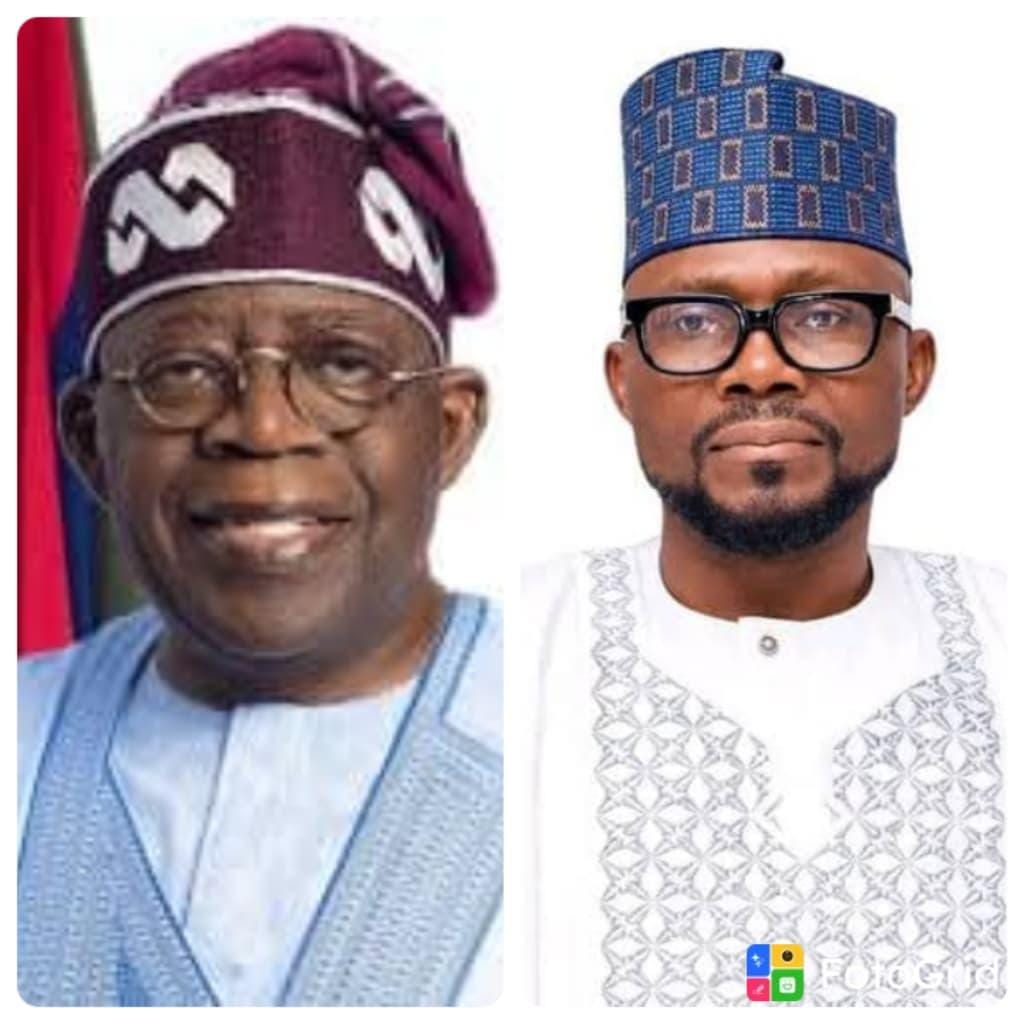
President Bola Ahmed Tinubu, in his condolence message, described Idris as a committed public servant whose years in office formed an important chapter in the political and developmental history of Kogi State.
Kogi State Governor Usman Ododo has also declared three days of mourning and announced that the late former governor will receive a state burial, underscoring the official recognition of his place in the state’s history.
WHEN A MAN BECOMES HISTORY
Perhaps the most enduring way to remember a public servant is not by pretending that his record was without controversy or disagreement, but by acknowledging the totality of his journey.
Ibrahim Idris’s political life contained victories and setbacks, elections and legal battles, power and transition.
Yet through it all, he remained part of the story of Kogi.
And now, as the people of the state mourn him, the political battles of yesterday give way to the quiet reflection of today.
The Government House he once occupied belongs to another generation.
The roads, institutions and public structures associated with his administration remain part of the state’s landscape.
The political structures he helped build have evolved.
But history retains the names of those who occupied its defining moments.
Alhaji Ibrahim Idris was one of those names.
For Omala, he was a son.
For Kogi, he was a former Governor.
For Nigerian democracy, he was a participant in one of the country’s evolving political chapters.
And for those who knew him personally, he was much more than any public title could capture.
As Kogi mourns, and as Omala remembers one of its most prominent sons, perhaps the most fitting tribute is to allow history to preserve both the man and the era he helped shape.
May Almighty Allah (SWT) forgive his shortcomings, accept his good deeds, grant him Al-Jannatul Firdaus, and give his family, the people of Omala, Kogi State and all who mourn him the strength and fortitude to bear the loss.
May his soul rest in peace.
Dr. Mohammed A. Halilu
Public Health Specialist & National Spokesperson, Omala Indiaspora.
Husseini Abubakar- Editor Newsnowexpress.