By Husseini Abubàkar -newsnowexpress.
*”Nigeria’s Economic Renaissance: Unlocking Growth and Prosperity Under the Tinubu Administration”*
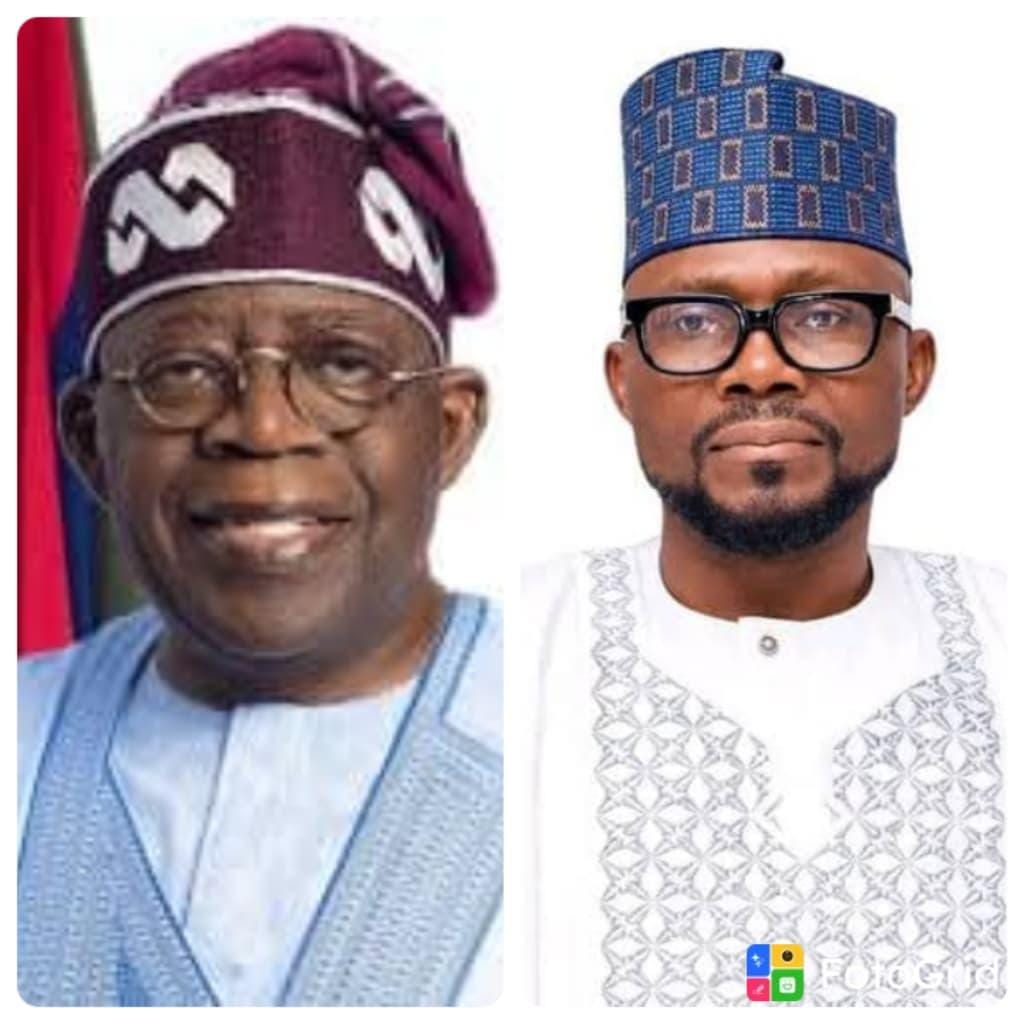
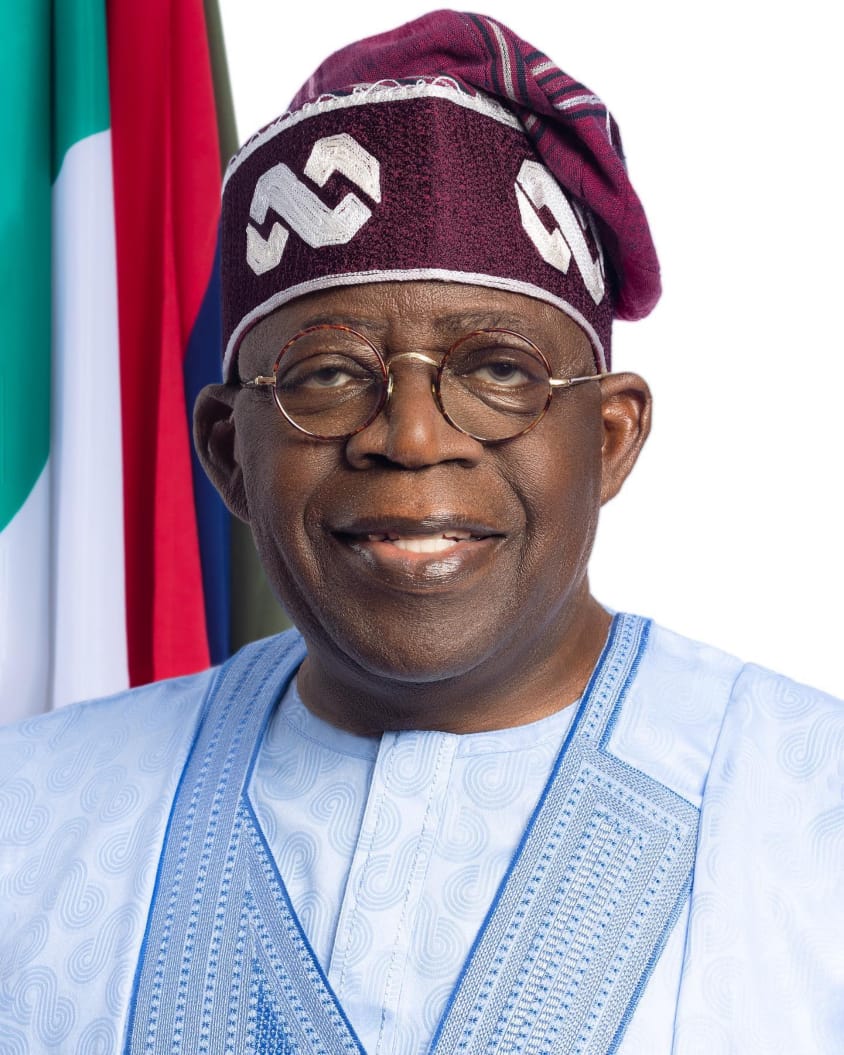
The Nigerian economy has faced numerous challenges in recent years, including inflation, unemployment, and poverty. However, with the inauguration of President Bola Ahmed Tinubu, there is renewed hope for economic transformation. Tinubu’s administration has pledged to implement policies that promote economic growth, diversification, and inclusivity.
*Corruption: The Achilles’ Heel of Economic Development*
Corruption has been a major obstacle to Nigeria’s economic progress, undermining investor confidence, discouraging foreign investment, and diverting resources away from essential public services. The Tinubu administration must demonstrate a strong commitment to tackling corruption by strengthening institutions, enforcing laws, and promoting transparency. This will create a conducive business environment, attract foreign investment, and ensure that public resources are utilized efficiently.
*Diversification: The Key to Unlocking Economic Growth*
Nigeria’s over-reliance on oil exports has made it vulnerable to global market fluctuations. To achieve sustainable economic growth, the government must prioritize diversification, investing in sectors such as agriculture, manufacturing, and renewable energy. This will create new opportunities for growth, reduce dependence on oil, and promote economic resilience.
*Infrastructure Development: The Backbone of Economic Progress*
Investing in infrastructure is crucial for economic development, enhancing connectivity, facilitating trade, and attracting foreign investment. The Tinubu administration must prioritize infrastructure development, focusing on roads, railways, ports, and energy. This will improve the business environment, reduce transportation costs, and increase access to markets.
*Human Capital Development: The Engine of Economic Growth*
Nigeria’s human capital is its most valuable resource. The government must prioritize education and skills development, investing in programs that promote entrepreneurship, innovation, and vocational training. This will build a competitive workforce, enhance productivity, and drive economic growth.
*Social Protection: The Safety Net for Economic Inclusion*
Poverty and inequality remain significant challenges in Nigeria. The Tinubu administration must implement social protection programs, investing in healthcare, education, and social welfare initiatives. This will create a more inclusive economy, reduce poverty, and promote economic mobility.
In conclusion, the Tinubu administration has a unique opportunity to transform Nigeria’s economy. By tackling corruption, diversifying the economy, investing in infrastructure, developing human capital, and promoting social protection, Nigeria can achieve sustainable economic growth and development. With a clear vision and effective implementation, Nigeria can become a prosperous nation, harnessing its vast potential to benefit all citizens.